Phone:
(778) 763-0093
Physical address:
New address coming up

Phone:
(778) 763-0093
Physical address:
New address coming up
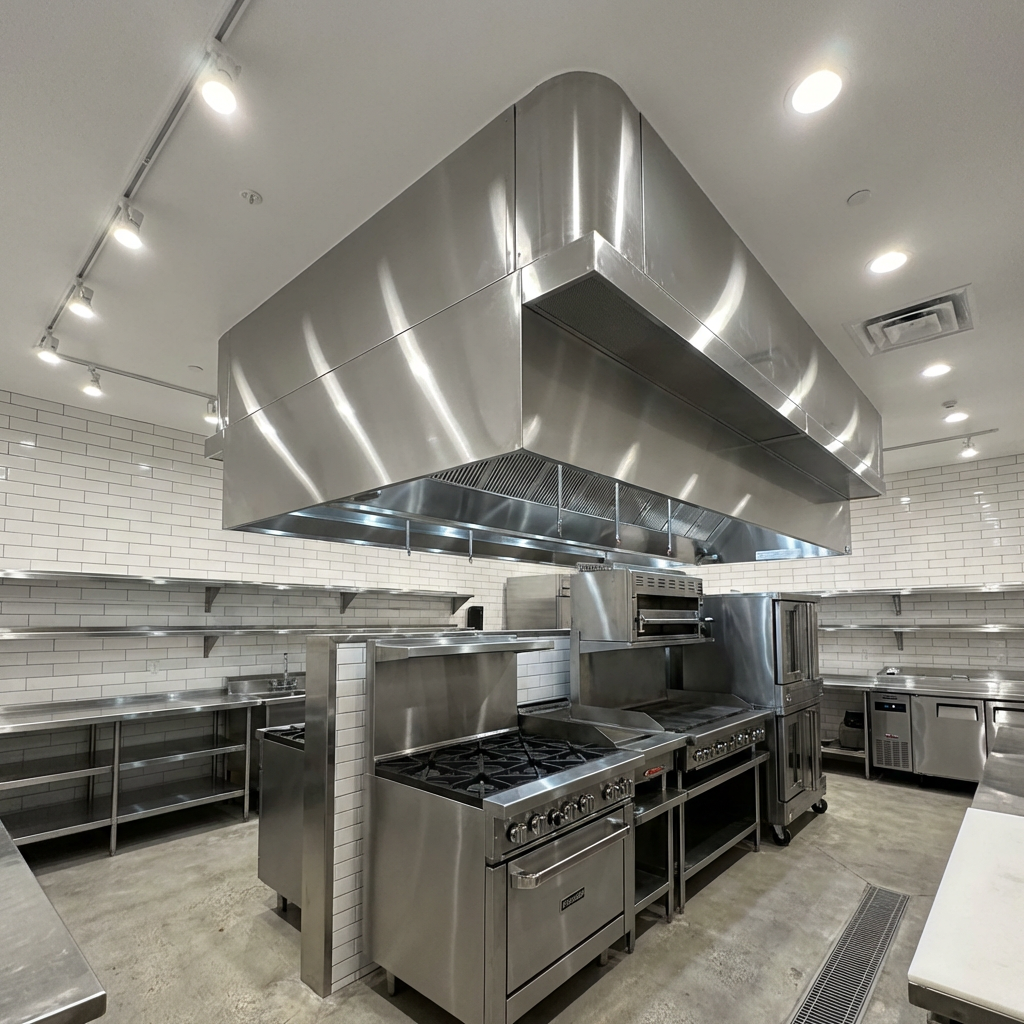
Operating a commercial kitchen involves more than cleaning the visible surfaces around the cooking equipment. Grease can accumulate inside the hood, filters, exhaust fan, ductwork and other areas that cannot be properly evaluated during routine kitchen cleaning.
If this buildup is not identified and removed, it can increase the risk of fire, reduce exhaust-system performance and lead to avoidable equipment problems.
The British Columbia Fire Code and NFPA 96 establish responsibilities for inspecting, maintaining and cleaning commercial cooking exhaust and fire-protection systems. Understanding those responsibilities can help restaurant operators and building owners protect their property, document due diligence and avoid unexpected maintenance or emergency costs.
The responsibility does not automatically belong to the cleaning company, fire-suppression technician or property manager.
Under NFPA 96, Section 4.1.5, responsibility for the inspection, testing, maintenance and cleanliness of the commercial cooking ventilation and fire-protection systems ultimately belongs to the system owner unless it has been transferred in writing to a tenant, management company or another party with operational control.
Depending on the lease and ownership structure, the responsible party could be:
Restaurant and building owners should review their lease or management agreement and clearly establish who is responsible for arranging service, correcting deficiencies and maintaining documentation.
Hiring a service company to perform scheduled work does not automatically transfer the owner’s overall responsibility.
The current BC Fire Code 2024 is based on the National Fire Code of Canada 2020 with British Columbia amendments. The Province identifies it as the applicable provincial regulation for fire safety in existing buildings and facilities.
Under Article 2.6.1.9 of the National Fire Code, which forms part of the BC framework, commercial cooking exhaust and fire-protection systems must be used, inspected and maintained in accordance with NFPA 96, Standard for Ventilation Control and Fire Protection of Commercial Cooking Operations.
The same article requires hoods, grease-removal devices, fans, ducts and related components to be cleaned frequently enough to prevent surfaces from becoming heavily contaminated with grease or other residue.
In practical terms, waiting until grease is visibly dripping from the hood or collecting around the rooftop fan is not a suitable maintenance strategy.
The inspection schedule is based on the type and volume of cooking—not one universal six-month interval for every kitchen.
Under the inspection schedule established by NFPA 96, commercial kitchen exhaust systems should be inspected for grease buildup at the following intervals:
| Type of cooking operation | Inspection frequency |
|---|---|
| Solid-fuel cooking | Monthly |
| High-volume cooking, including 24-hour cooking, charbroiling and wok cooking | Every 3 months |
| Moderate-volume cooking | Every 6 months |
| Low-volume cooking, including seasonal operations and some institutional facilities | Annually |
The older NFPA 96 (2008), Table 11.4 contained this schedule. Newer editions place the grease-buildup inspection schedule in Chapter 12 and Table 12.4, with the same general frequency categories.
The appropriate category should be confirmed with a qualified service provider and the local authority having jurisdiction.
An inspection determines whether combustible grease has accumulated and whether cleaning is required.
Under the BC Fire Code, Article 2.6.1.9.(3), and the cleaning requirements of NFPA 96, the hood, filters or other grease-removal devices, fans, ducts and related components must be cleaned before they become heavily contaminated.
This means a moderate-volume kitchen may be placed on a six-month inspection schedule, but it could require cleaning sooner if grease accumulates rapidly.
Cooking processes that commonly generate higher grease loads include:
A qualified inspection should consider the entire exhaust path—not only the visible canopy.
A commercial kitchen exhaust inspection should evaluate accessible portions of the complete system, including:
Under NFPA 96, the interior surfaces of the exhaust system must be accessible for inspection and cleaning. If a fan cannot be safely opened or parts of the duct cannot be reached, the responsible owner may need to correct those access limitations.
The automatic fire-suppression system is a separate but related component. Its inspection, testing and maintenance must follow the applicable NFPA standards, manufacturer requirements and directions from the authority having jurisdiction.
Following the fire code does not automatically guarantee that an insurance claim will be approved. Every commercial insurance policy has its own conditions, exclusions, deductibles and coverage limits.
However, current inspection and cleaning records can help demonstrate that the responsible owner took reasonable steps to maintain the system and address known fire hazards.
The Insurance Bureau of Canada recommends that businesses retain invoices, receipts, photographs and other documentation when dealing with insured property and claims. It also advises business owners to understand their policy’s conditions and exclusions.
Following an exhaust-system service, owners should retain:
Failure to comply with applicable codes, correct known deficiencies or meet specific policy conditions may jeopardize insurance protection or complicate a future claim. The exact effect will depend on the policy and circumstances of the loss, so owners should confirm their insurer’s requirements directly with their broker or insurance representative.
A commercial kitchen fire can affect more than the restaurant’s equipment.
Depending on the property and insurance arrangements, a loss may involve:
The building owner and restaurant operator may hold different policies covering different interests. Both parties should understand their responsibilities, maintain appropriate coverage and preserve their maintenance records.
A written agreement should identify who schedules and pays for exhaust cleaning, fire-suppression inspections, repairs and other required maintenance.
Grease-trap maintenance is separate from the NFPA 96 exhaust-system inspection schedule.
The Province of British Columbia states that commercial kitchens producing fats, oils and grease in their wastewater must have a properly installed and maintained grease interceptor.
How often a grease trap should be cleaned depends on factors such as:
Some kitchens need grease-trap service more frequently than their exhaust-system inspection. Coordinating both services during a scheduled regional visit can reduce travel costs and help prevent emergency backups.
Preventive maintenance is normally less disruptive than dealing with a grease fire, failed exhaust fan, blocked drain or overflowing grease trap.
For businesses in remote communities, an emergency visit can also involve additional ferry, travel, accommodation and scheduling costs. Coordinating service with other businesses during a planned regional visit can make periodic maintenance more economical.
First Star Fire Safety provides commercial kitchen exhaust inspections, canopy and duct cleaning, fire-suppression services and grease-trap cleaning throughout Northern British Columbia, including scheduled service visits to Haida Gwaii.
Contact First Star Fire Safety to review your maintenance history, determine which services may be due and plan your next visit.